Showing posts with label Texture. Show all posts

Wednesday, 12 October 2016

Edward Weston

Context
Edward Henry Weston was born March 24, 1886. He began photographing at the age of sixteen after receiving a Bull’s Eye #2 camera from his father. Weston’s first photographs captured the parks of Chicago and his aunt’s farm. We can see that this links to his work because many of his photographs consist of natural objects such as shells and we also see him capture pictures of vegetables such as mushrooms. After this Weston progressed with a new emphasis on abstract form and sharper resolution of detail. We can see this progress in his work because of the way he captures texture of the objects and the way he creates an angle that we have to look deeper into the image to see what the object is. Weston's work for which he is most deservedly famous consists of natural forms, close-ups, nudes, and landscapes which is the main images that I am looking at.

Photography
To progress my work with this photographer I have taken a few of his images to analyse.


When we first look at this image we see a shell but the angle that it has been positioned at some people might not be able to tell what it is. This image and many other of his photographs has an element of mystery because it takes us a while to grasp what the image actually is. The fact that Edward Weston is famous for his natural form photography links to this image because it represents natural life as it is a shell. Also, the fact that he began taking pictures on a farm links to the picture because on the farm he would've been taking images of simple things like stones and this image shows how a simple thing can be turned into an image that people have to actually think about. I like this image because we can see the texture of the shell and the angle of the image draws us in even though the image is in black and white. I can use ideas like this in my work because I can take images of things that are boring but make them come alive by attracting people to the way I have taken the image.


When we first look at this image we see a mushroom but when we look deeper into the image we focus on the texture of the mushroom and how the photographer has created great focus on the small details of the mushroom. The way Weston has positioned this object we almost look at the mushroom as a tree because of the shape of it. This links to the context of the artist because this is a vegetable and as he began photographing on a farm this is almost a progressed photo of what he first did. The texture of this can be seen as rough as the edges are not smooth. Also the photographer has used hard lighting to show his work this suggests to us that he wanted us to see the texture of the mushroom purposely. 


When we first look at this image we see a onion or maybe a leek, some sort of vegetable and we are instantly drawn to the texture of it. Looking deeper into this image we could maybe see a face by the middle parts being represented as eyes. In a way Weston brings the vegetables to life as he gives them a purpose and shows us the detail that we don't always recognise. Personally, when I look at this image I think of leather because it looks hard  and tough. He has taken this image and made the texture of the vegetable seem different to what we instantly think. Again this image links to the context of the artist because he is photographing vegetables which he would've been taking pictures of at the farm. 

Progression
To progress I am going to use Edward Weston's ideas in my work because I like the way he uses the angle of his camera and lighting to present texture of his objects. 

Saturday, 1 October 2016

Texture Work Diary

Evaluation
In the images I have taken some of them have turned out very well but others haven't turned out how I would've liked them to. I have a some best images and some worse images that haven't presented texture like I would've liked.


I think this image is one of my best images because it represents texture well and the texture of the object in the image is clear. In this image hard lighting is used because hard light makes distinct, hard-edged shadows. By editing this image I think I can improve it. I don't think I need to retake this image because the lighting helps the texture become clear. The angle of this image is also good because if it was taken at any other angle it would've ruined the image because the texture of the object wouldn't of been clear.


I think this image is one of my best images because it represents texture wells as the texture of the cat is present well. I think everything about this image is good and the only way I can improve it further is by editing it. I think the lighting and the focus of the image helps us identify the texture because they help the focus of the texture become more clearer. The angle of this image is also good because we are able to see the details of the cat become clear.


I think this image is one of my worst pictures I took because it doesn't represent texture as I would've liked. Also the picture is slightly out of focus and I think it is not clear what I was trying to show in this image. To improve this image I think I could get closer into the fur to show the texture more. The angle of the image is what lets this picture down because if it was taken at a different angle I would've used it as one of my best.

Progression
To improve the images that I have taken I used Photoshop to edit the photos to progress them.

    
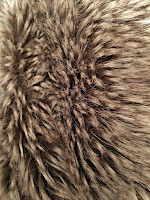
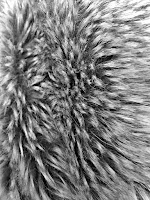
I edited this image by making it black and white and sharpening the image to make the texture clearer. Also, I brightened the image to make the texture clearer. I think the edited version is better than the original photo because the black and white makes us focus more on the texture rather than the colours in the image. The sharpness of the image makes us focus on the individual hairs rather than any other aspects of the image. To progress this image more I think I could've taken this image at a wider angle so that we can see more of the texture.
      

To edit this image I just sharpened it. By sharpening this image the cracks and the unevenness of the wall has become more obvious. I think the edited version of the photo is better than the original because the texture of the wall has become more obvious. To progress this image further I think I could use a wider angle so we can see more of the texture of the wall. 


To edit this image I made the photo black and white and also sharpened it. By sharpening the image we focus on the individual hairs on the image so that we can imagine how it feels. I think the edited version of this image is better because we can focus on the texture of the fur more. To progress this image further maybe I could've edited the image by just sharpening it to make it more realistic.


To edit this image I made the photo black and white and increased the brightness whilst also increasing the sharpness of the image. By increasing the sharpness it enables us to see the bumps of the image clearer so we can imagine the texture of the object. To improve this image further when I take the image I could use a brighter light so there would be more light reflecting on the object so that the texture will become even more visible.


To edit this image I sharpened it and then brightened the image. By increasing the sharpness we are able to see the fibres of the cloth so we can imagine what it would feel like. Also, by increasing the brightness of the image we are able to see the texture better because the image is brighter so we can focus on the texture more. To progress the image further I could make it black and white to take the focus off of the colours.

Next time I get to take picture relating to this topic I will use these improvements.

Texture Straight Images


I took this image of a cat because I wanted to focus right in on the fur as I wanted to see if I would be able to get very close that you would be able to see the texture of the fur. I think I have achieved this because not only can you establish the texture of the fur but you can also see the whiskers which can also show texture as the image shows them to be spiky. I like this image because I think it has turned out very well.


I took this image of a wall because I wanted to focus on the cracks in the walls to show that the wall is rough and not smooth. This image links to texture because we can see the unevenness of the wall and we can image what it would feel like. I think I have achieved the concept of texture in this image because the angle I have taken this image at enables us to see the cracks and the unevenness of the wall.


I took this image because it links to texture well as we are able to see the individual hairs of the jackets fur that helps us image what it would feel like. I like this image because it is an abstract image as when you first look at it it isn't noticeable straight away what the image is. I think I have achieved the concept of texture in this image because we can image that it would feel soft.


I took this image because I wanted to see if I could get the small fibres on it to stand out as it makes us think about what the object would feel like. I think that I have grasped the idea of texture in this image as the angle that the photo was taken at enables us to be able to see the small fibres and fur on the object which helps us imagine how it would feel.


I have taken this image because I wanted to focus on the bumps of the object. I think I have created the image well that you are able to see the texture of the object. We can tell that the object is bumpy by the way the bumps stand out. Also the angle that I have taken the image at helps because if i would've used another angle it might not have been as clear to see the bumps. I think that this is one of my best images because the texture of the object really stands out.

Texture Contact Sheet


Monday, 26 September 2016

Texture Image Bank

This image links to texture because the angle that the photographer has taken the image at enables us to see the surface of the wall. We can tell that this wall would be rough rather than smooth because it has cracks missing in the bricks and it looks old and uneven. The focus of the image also helps us able to see the walls texture because we focus on one section of the wall rather than trying to look at the whole thing. I can use this type of photography in my work because I can take the idea of photographing old walls that are rough or newer walls that are smooth.

This image links to texture because the photographer has zoomed in on part of the snakes skin which allows us to be able to tell that the snakes skin is slimy. Also, the reflection of the light onto the snakes skin makes it glisten which also helps us identify that the snakes skin is slimy. We are able to tell that the skin is smooth because there are no sections in the image that prove the skin to be rough. I can use this type of photography in my work because I can use animals in my images to focus on the different types of skin or fur.

This image links to texture because the photographer has focused in on the tree trunk so we are able to see the cracks in the tree. We are able to identify that the tree trunk will feel rough because of the cracks and the fact that the tree is uneven. Although the image has been taken straight on we can still tell that parts of the trunk still stick out and are rough. I can use this type of photography in my work because I can take pictures of things close up instead of the whole thing.

This image links to texture because the photographer has focused in on the animal so we are able to see the fur in better detail. We are able to tell that this animal has fur because we can almost see the individual hairs if we look closely. We can also identify that the fur will be soft because the way the light reflects onto the animal the fur doesn't look rough or hard. I can use this in my photography because I can focus the camera on an animals fur rather than the whole animal.

This image links to texture because the photographer has used lighting to focus on the pasta so that we can tell that the pasta is hard. We can tell that the pasta is hard because if it was cooked and soft they would have a larger surface area. The pasta looks hard and rough because of the edges it has. The lighting helps show the texture well because the brighter the lighting the more we can see. I can use this in my photography because I can get pictures of different types of food with different textures.

Texture Mindmap

Texture Definition


The challenge of seeing and capturing texture is mostly based on one element - light.

Texture can be accentuated by the side light of early sunny mornings or early evenings, or by overhead light
when the sun is vertical and high in the sky. Hard light can be achieved when shadows are present on the
object and spot light can be achieved when no shadows are present.


This image relates to texture because the image is bright and we can see the marks in the wood. By looking at this image we can tell that the texture of the tree is rough because of the cracks, of there was less cracks in the wood we would interpret this as being smooth.

The photographer Patrice de Villiers has captured the texture in this image by using the light because the image is bright and we can see the spikes of the fruit also the texture inside of it. She has captured texture very well as we can see all the details of the fruit. By looking at this image we can tell that the outside of the fruit is sharp or rough, from the inside of the fruit we can tell that it is smooth.

This image relates to texture because we can see the detail of this leaf, although there are lines in the leaves that could be seen as rough the photographer has taken the image at an angle where we see the lines as smooth. By focusing on a section of the image we are instantly drawn to it and the different elements of light. The photographer had used darker light on the unfocused parts but lighter light on the more focused parts to make the texture more visible.

This image relates to texture because of the detail of the surface we can see. By looking at this image we can tell that the surface is going to be rough because the lines on the surfaces are coming out. The image is bright which helps us focus on the texture and we are able to establish how this would feel.